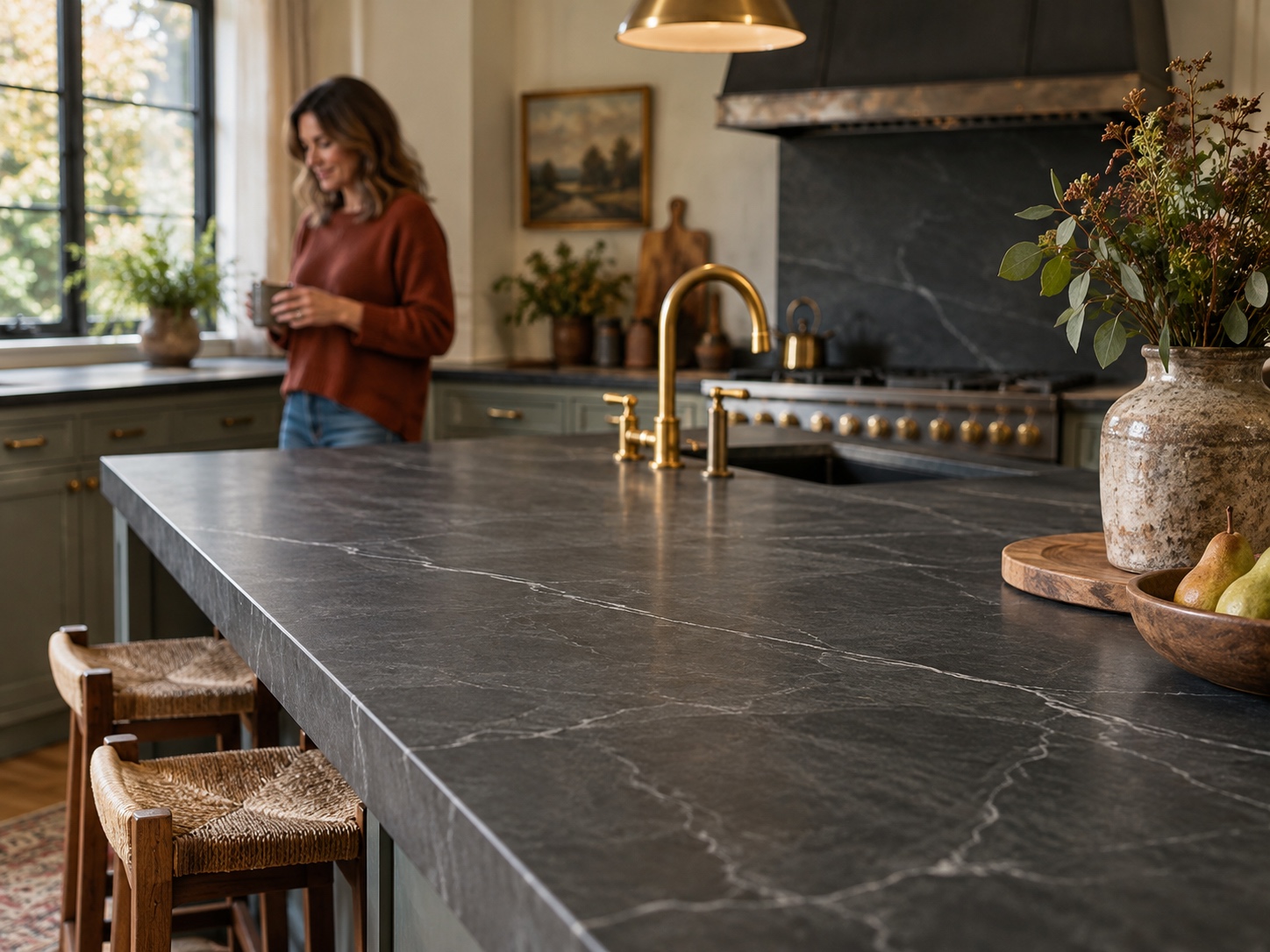
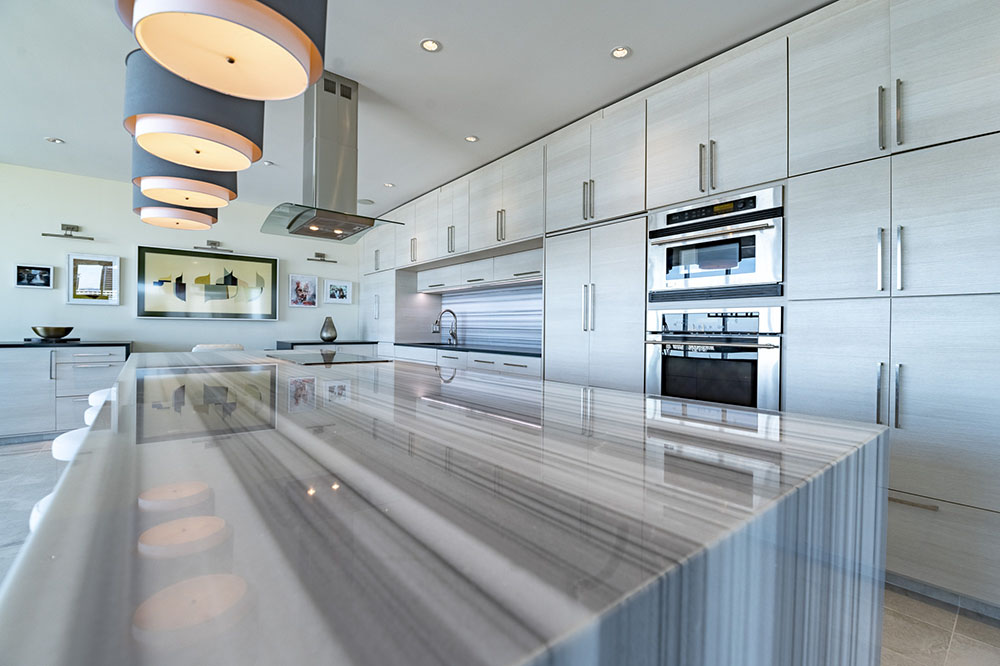
When planning a kitchen renovation, bathroom update, or new home, one of the first questions homeowners ask is, “How much will my countertops cost?”
The answer depends on more than the stone you choose. From the material and size of your space to fabrication details and installation requirements, several factors shape the final investment.
Understanding these details helps you set realistic expectations, compare estimates, and make confident decisions about your project.
As a regional leader in premium stone surfaces, StoneMark has spent more than 20 years helping homeowners, builders, designers, and remodelers bring beautiful, lasting stone applications to life. With a Louisville, Kentucky showroom and expansive slab yard, plus a Design Center in Jeffersonville, Indiana, StoneMark offers a personalized approach to selecting surfaces that fit your style, lifestyle, and budget.
If you’re considering new countertops, here’s what you should know about the factors that affect pricing and how to make the most of your investment.
Why Countertop Costs Can Vary
Two kitchens with similar layouts can have very different countertop costs. The final price reflects more than the surface area.
Material, slab dimensions, fabrication requirements, custom features, and installation conditions all affect the overall project cost.
Here’s a quick breakdown of the most common factors:
| Cost Factor | What Homeowners Should Know |
| Stone Material | Material type, rarity, color, and availability influence pricing. |
| Project Size & Layout | Square footage, configuration, and slab requirements affect material needs. |
| Fabrication | Edge profiles, cutouts, seams, and specialty details can add complexity. |
| Installation | Accessibility, site conditions, and project requirements can affect labor. |
| Custom Features | Waterfall edges, full-height backsplashes, and other design elements may increase costs. |
Understanding these variables makes it easier to evaluate a quote and determine where your investment will have the greatest impact.
1. The Stone Material You Choose
One of the biggest factors influencing countertop costs is the material itself.
Homeowners today have access to a wide selection of natural and engineered surfaces, each offering distinct characteristics, performance benefits, and design possibilities.
Granite remains popular for its durability, natural variation, and wide range of colors and patterns. Pricing can vary depending on the specific variety and availability.
Quartzite is prized for its impressive strength, distinctive veining, and natural beauty. Some varieties are more readily available, while rarer or highly sought-after slabs may command a premium.
Marble and Dolomite offer timeless elegance and unique patterns. The stone’s type, origin, and availability can influence cost, along with the project’s fabrication requirements.
Quartz provides consistent color and pattern with relatively low maintenance. Prices vary by brand, collection, design, and surface option.
Soapstone, Porcelain, and Ultracompact Surfaces offer additional possibilities for homeowners seeking specific aesthetics or performance characteristics. Pricing depends on the product, availability, and intended application.
The most expensive material isn’t necessarily the best choice for your home. The goal is to select a surface that balances your design preferences, practical needs, and budget.
2. The Size and Layout of Your Project
Square footage matters in countertop pricing, but total surface area doesn’t tell the whole story.
A simple rectangular countertop may require less material and fabrication work than a kitchen with multiple angles, a large island, or several separate surfaces.
Natural stone typically comes in slabs, and slab dimensions affect how efficiently you can use the material.
For example, a kitchen layout with several individual countertop sections may require additional cuts or more than one slab. If you’ve selected a stone with dramatic veining, the pattern direction may also influence how the pieces are positioned and fabricated.
That is why accurate measurements and a clear understanding of your layout matter when evaluating costs.
3. Fabrication and Custom Design Details
Turning a raw slab into a finished countertop requires specialized equipment, precision, and skilled craftsmanship.
Several design choices can influence the complexity of that work.
Edge Profiles: A clean, straight edge may require less fabrication than a more decorative or intricate profile.
Sink and Cooktop Cutouts: Measure and fabricate openings to accommodate the selected fixtures and appliances.
Waterfall Islands: Extending the stone vertically down an island’s sides creates an architectural statement but requires more material and detailed fabrication.
Full-Height Backsplashes: Carrying stone from the countertop up the wall creates a cohesive appearance while adding surface area and installation considerations.
Seam Placement and Pattern Alignment: Certain layouts or stones with prominent veining may require additional planning to achieve the desired appearance.
These features can elevate the finished space, but you should consider them early in the design process to understand how they may affect your overall budget.
4. Installation and Site Preparation
Professional installation is another important part of a countertop project.
Every home presents different conditions, including cabinet configurations, access to the installation area, existing surfaces, and the requirements of the selected material.
At StoneMark, the installation process includes field measurements using advanced 2D/3D laser templating technology to help achieve a precise, custom fit.
For homeowners replacing existing countertops, removing and disposing of the old surfaces may also be necessary. StoneMark offers this service for an additional charge, so discuss it during project planning.
Other work, such as plumbing, electrical connections, carpentry, or tile installation, may require coordination with separate professionals.
Understanding these details before installation helps avoid unexpected expenses and keeps the project moving smoothly.
5. What’s Included in Your Countertop Quote?
When comparing countertop estimates, understand exactly what each quote covers.
A lower initial estimate doesn’t always mean a lower overall project cost. One proposal may include services or materials that another lists separately.
Before making a decision, consider asking:
- What material and specific product are included in the estimate?
- How much surface area is being quoted?
- What fabrication details and edge profiles are included?
- Are sink or cooktop cutouts accounted for?
- Does the estimate include templating and installation?
- Is removal and disposal of existing countertops an additional cost?
- Will you need any plumbing, electrical, or other contractor services?
Clarifying these items can help you compare proposals fairly and understand the full scope of your investment.
6. Think Beyond the Initial Price
While budget is important, the long-term value of your countertops deserves equal consideration.
Stone surfaces are a major design element in any home, and the right choice can deliver years of beauty and function.
Consider how the surface will be used. A busy family kitchen may benefit from a material that resists everyday wear. A bathroom vanity or fireplace surround may allow you to prioritize a distinctive pattern or luxury finish.
It’s also worth considering the professionals handling your project. Material quality, fabrication expertise, installation precision, and customer service all shape the final result.
Working with an experienced stone partner helps ensure you’re making decisions based on more than price alone.
7. How to Get Started with StoneMark
The best way to understand the cost of your countertop project is to request an estimate based on your specific needs.
StoneMark makes the initial quoting process straightforward:
- Measure Your Space: Download StoneMark’s countertop measurement guide and record your approximate dimensions.
- Share Your Measurements: Send the completed measurements to StoneMark so the team can review your project.
- Request Your Free Quote: Complete the online quote form and provide your contact information so StoneMark can follow up with any questions.
When you’re ready to move forward, StoneMark’s team can guide you through the next steps, including professional templating, slab selection, fabrication, and installation.
You can also explore materials in person at StoneMark’s Louisville showroom and slab yard or connect with the Jeffersonville Design Center for personalized design guidance.
Make a Confident Investment in Your Home
Choosing stone countertops is about finding the right balance of beauty, performance, craftsmanship, and value.
By understanding how materials, layout, fabrication, and installation affect costs, you can approach your project with greater confidence and make informed decisions that support both your design vision and budget.
At StoneMark, our experienced team is committed to helping homeowners discover premium surfaces that bring lasting beauty and functionality to their spaces. From material selection to expert installation, we’re here to help you navigate the process with confidence.
Ready to explore your options? Request a Free Quote from StoneMark and take the first step toward your new countertops, and explore possibilities for your next home project.