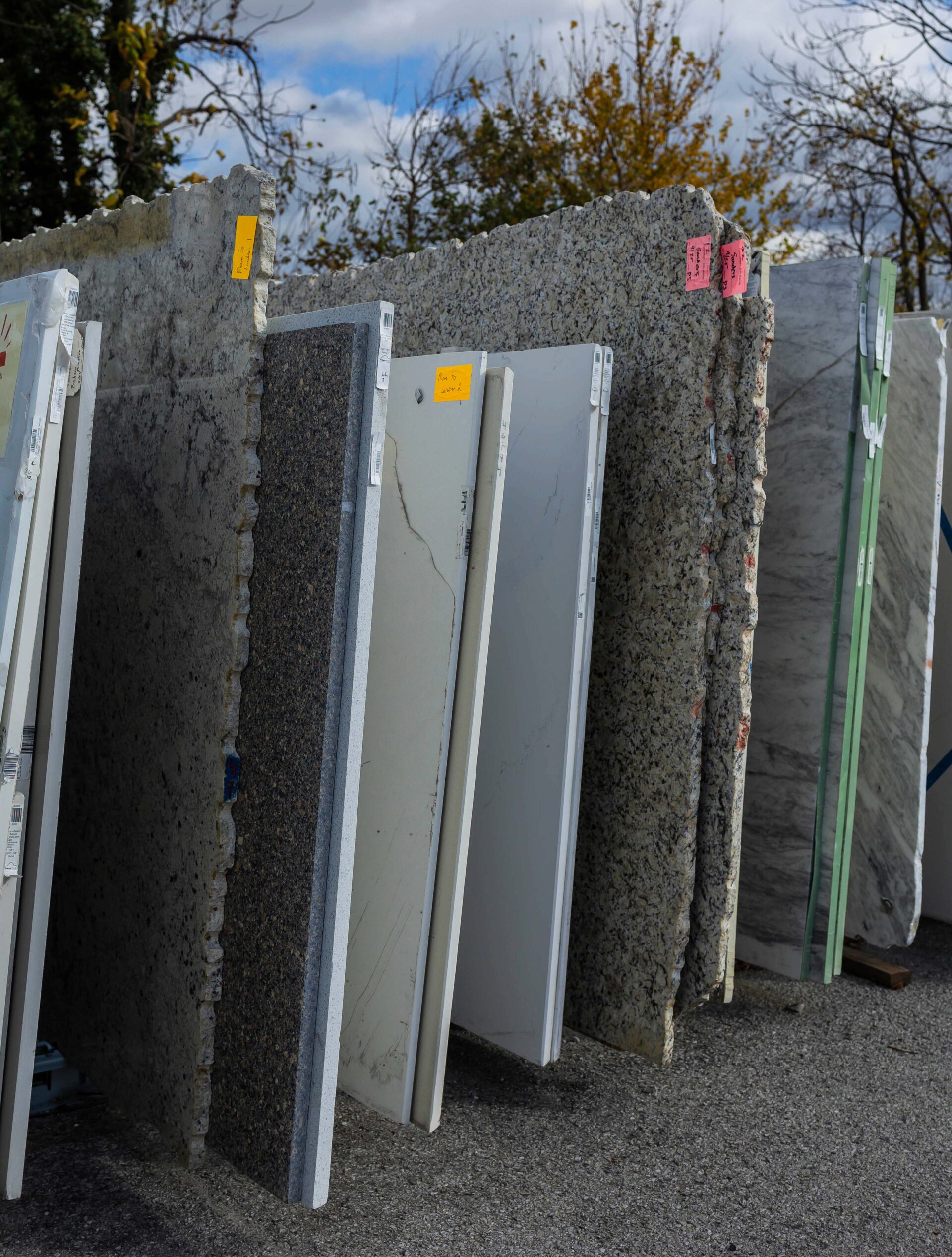
Soapstone countertops are naturally resistant to staining, but everyday kitchen use can still leave grease, food residue, soap film, and uneven darkening on the surface. Since soapstone is dense and non-porous, liquids generally remain on top instead of soaking into the stone. Prevention is therefore less about sealing and more about keeping the countertop clean, dry, and evenly maintained.
Simple habits make the biggest difference. Clean spills promptly, remove cooking residue before it builds up, use mineral oil carefully, and protect the softer stone from scratching. These steps help preserve the smooth texture and rich appearance that make soapstone distinctive.
Soapstone Countertops Naturally Resist Staining
Soapstone is a metamorphic rock made largely of talc along with varying amounts of other minerals. Its dense structure gives it strong resistance to moisture, common food acids, and many substances found in kitchens. Citrus, wine, and similar spills are far less likely to penetrate the surface than on many porous materials.
A dark patch is not always a true stain. It may be dried food, grease, soap residue, or a natural change in the stone’s patina. Soapstone also handles heat well, making it practical for active cooking spaces. Knowing these characteristics helps homeowners choose the right cleaning method instead of reaching immediately for aggressive products.
Common Causes of Marks on Soapstone Countertops
Most visible marks come from material sitting on the surface or from normal changes in appearance. Identifying the source first makes cleanup easier and reduces unnecessary treatment.
Food and Cooking Residue
Food stains on soapstone often come from sauces, coffee, cooking oils, or sticky ingredients left behind. Since the material is non-porous, these messes usually remain near the top and can often be cleaned with soap and warm water.
Soap Film and Cleaner Buildup
Using more cleaner than necessary can leave a dull film. A small amount of mild soap or standard household cleaner is usually enough. Wiping with a clean, damp cloth afterward helps remove residue that could make the surface look cloudy.
Grease Near Cooking Areas
Cooktops and food preparation zones can collect a thin layer of grease over time. That film may make one area appear darker or shinier than nearby sections. Regular wiping prevents grease from becoming a visible patch.
Water and Mineral Residue
Water can evaporate and leave behind minerals or cleaning residue. Drying the surface after washing reduces streaks, especially around sinks and frequently used preparation areas.
Natural Patina Changes
Soapstone gradually darkens as it ages and is used. Areas touched or cleaned more often may change faster than quieter sections. This variation is part of the stone’s natural character rather than evidence of permanent staining.
Daily Kitchen Countertop Maintenance That Prevents Marks
Good kitchen countertop maintenance should be easy to follow every day. The goal is to stop residue from drying on the stone and to keep frequently used areas from developing buildup.
For routine care:
- Wipe spills soon after food preparation.
- Wash with warm water and mild soap.
- Dry the counter with a clean cloth after cleaning.
- Remove grease around cooktops and small appliances.
- Clear crumbs or grit before sliding objects across the surface.
These habits keep the surface clean without turning regular care into a complicated routine.
How Should You Handle Food and Liquid Spills?
Start with the gentlest method. Remove loose food, wash the area with soap and warm water, and dry it with a soft cloth. In most cases, that is enough because the stone resists absorption.
When removing stains from soapstone, first check what the mark actually is. A greasy patch may need another wash. A cloudy area may be leftover cleaner. A lighter patch may simply be developing its patina at a different rate. Matching the cleaning method to the cause prevents needless scrubbing and helps protect the finish.
Avoid treating every discoloration as a deep stain. Soapstone usually responds better to straightforward cleaning than to harsh stain treatments.
Protect the Surface From Scratches and Wear
Soapstone is durable, but its talc content makes it softer than granite and quartzite. Scratch prevention deserves regular attention. Use a cutting board instead of cutting directly on the counter. Lift heavy appliances rather than dragging them. Remove abrasive crumbs before moving cookware or countertop equipment. These habits protect soapstone countertops from avoidable surface marks and help high-use areas age more evenly.
Use Mineral Oil for More Even Darkening
Mineral oil is commonly used to deepen soapstone’s color and encourage a more even appearance. It does not act like a conventional sealer. Instead, it supports the natural darkening process and can reduce contrast between areas changing at different rates. Apply a light amount to a clean, dry surface and spread it evenly. Wipe away excess oil instead of leaving heavy pools on the counter. StoneMark recommends mineral oil treatment to support even darkening, so careful application is more useful than a thick coat. Mineral oil is mainly an appearance treatment. Routine cleaning remains the main defense against food residue, grease, and surface buildup.
Common Care Mistakes to Avoid
Soapstone is forgiving, but poor habits can create unnecessary marks or an uneven finish. Avoid these common mistakes:
- Leaving grease and food residue for long periods.
- Using excessive cleaner that leaves film behind.
- Applying more mineral oil than the surface needs.
- Cutting directly on the stone.
- Dragging rough cookware or appliances across the counter.
Avoiding these habits allows the stone to develop its natural patina gradually with less corrective maintenance.
Keep the Surface Looking Its Best
The most effective care routine focuses on cleanliness, consistency, and gentle handling. Prompt spill removal limits residue. Drying after cleaning reduces streaks. Cutting boards and careful appliance placement reduce scratches. Light mineral oil treatments can support a darker, more uniform appearance. With these habits in place, soapstone requires relatively little day-to-day effort while developing more visual character over time.
Choose Soapstone Countertops With StoneMark
Contact StoneMark today to explore soapstone countertops designed for durable performance, easy care, and lasting natural character.